South Africa is the second largest steel producer in Africa, and the sector plays a foundational role in the national economy – supporting automotive manufacturing, construction, mining and thousands of jobs. However, the industry faces significant challenges, including high carbon intensity, ageing infrastructure and increasing pressure to comply with international climate policy instruments such as the European Union Carbon Border Adjustment Mechanism (CBAM). With the EU serving as South Africa’s second‑largest steel export market, the sector’s ability to meet emerging low‑carbon requirements is becoming increasingly important.
To address these systemic challenges, the United Nations Industrial Development Organisation (UNIDO), jointly with the Industrial Development Corporation (IDC) and Guidehouse Germany, successfully submitted a Project Concept to the Mitigation Action Facility and has entered the Detailed Preparation Phase (DPP). Developed under guidance of the Department of Trade, Industry and Competition (the dtic), the Department of Forestry, Fisheries and the Environment (DFFE) and the Department of Electricity and Energy (DEE), the project “Accelerating South Africa’s Steel Decarbonisation” is one of seven selected from more than 500 global submissions to advance to the DPP, also funded by the Mitigation Action Facility.
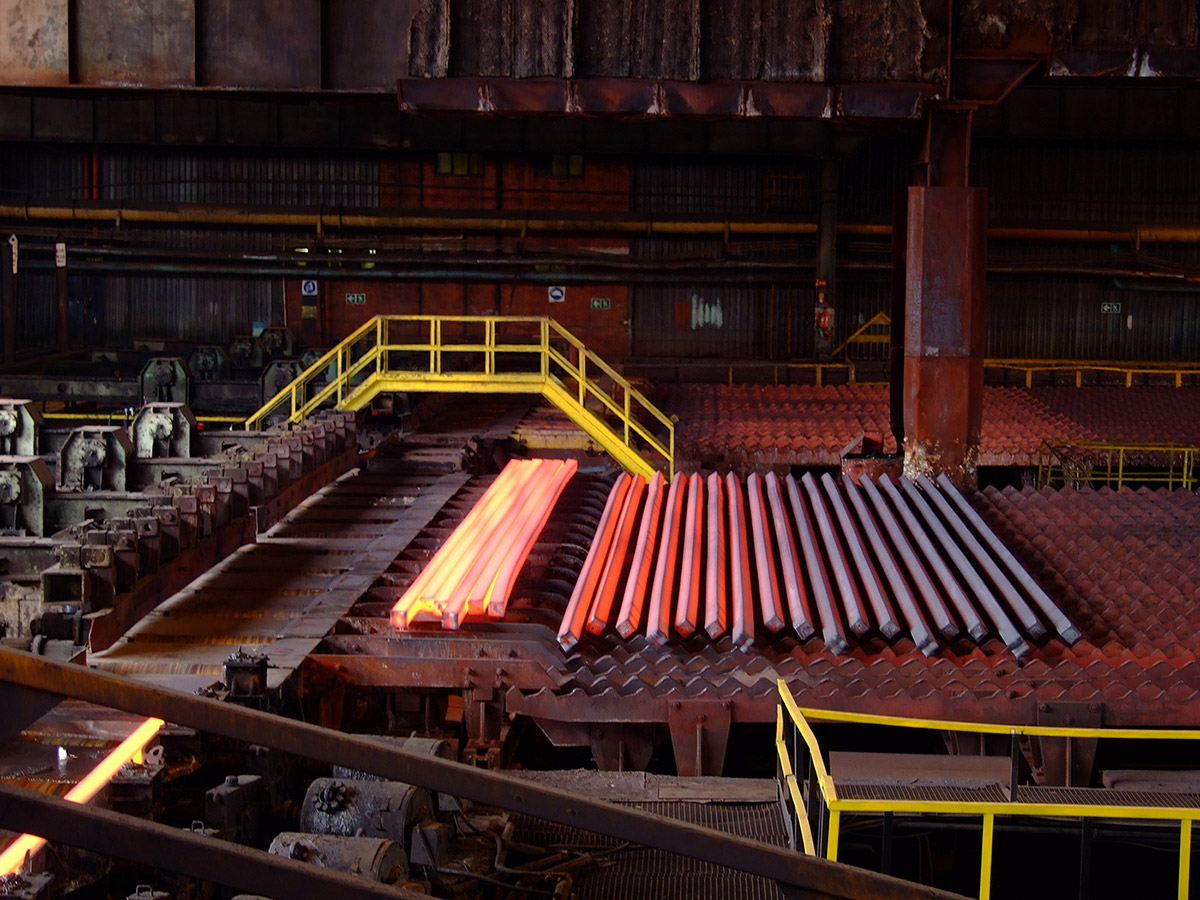
Unlocking investment, technology and policy support for green steel
The proposed project combines several measures designed to unlock investment, strengthen the policy environment and accelerate the decarbonisation of South Africa’s steel industry.
A dedicated financing mechanism will help lower the cost of capital for steel decarbonisation projects by blending grant funding with concessional and commercial finance. Catalytic funding from the Mitigation Action Facility aims to mobilise investment in innovative low-emission technologies and support the transition toward near-zero emission steel production.
The project will also support the deployment of breakthrough technologies, including a hydrogen-based direct reduced iron (H₂-DRI) pilot plant and the integration of renewable energy into steelmaking operations. Lessons from these demonstrations will help inform wider adoption across the sector.
To create an enabling environment, technical assistance will support the development of the Steel Decarbonisation Roadmap, demand creation through green steel lead markets, assessment of the potential for carbon tax revenue recycling and related options. The project will also review and suggest refinement options for Measuring Reporting Verification systems.
Furthermore, the proposed project includes capacity development and just transition support, with knowledge products on circularity and low-carbon technologies, as well as gender-responsive training programmes aimed at upskilling and reskilling workers across the steel value chain.
Together, these measures aim to strengthen the competitiveness of South Africa’s steel sector and position the country as a regional leader in low-emission steel production. The initiative will also support South Africa’s transition toward near-zero emission steel, contributing to the country’s Nationally Determined Contributions, the Just Energy Transition and broader industrial policy goals, while delivering emissions reductions and long-term environmental and socio-economic benefits for workers and communities.
For further details visit: https://southafrica.un.org/en/312324-accelerating-south-africa’s-steel-decarbonisation
