South Africa’s ITAC has imposed the steepest and broadest steel tariffs – the biggest protectionist move in two decades – to shield the local industry from cheap imports, it says. However, the levies could create a seismic shift in trade relations between South Africa and its trading partners, especially China, its biggest one. But more importantly every industry and product where metal is used and requires some form of tool to cut, shape, and remove material from a workpiece by means of machining tools will be impacted.
The move by ITAC came after the conclusion of its biggest steel tariff review in 20 years, which covered about R67 billion worth of imports. The review finds that South African steel industry stakeholders face numerous challenges and that many major economies impose big tariffs to protect their domestic industries amid global steel overcapacity and associated trade diversions.
With that in mind, 20% duties were imposed on products such as spades, shovels, timber wedges, hand saws, knives and cutting blades, rods and tubes, which were previously free of tariffs. Similarly, screws, bolts, nuts, coach screws, screw hooks, rivets, pins and washers will now attract 30% duties. However, rebate provisions have been proposed that will enable duty-free imports of steel products that are not manufactured locally, including certain rails, wire rods, pipes and heavy structural steel. According to ITAC, the rebates are intended to protect downstream manufacturers from unnecessary cost increases if local supply does not exist.
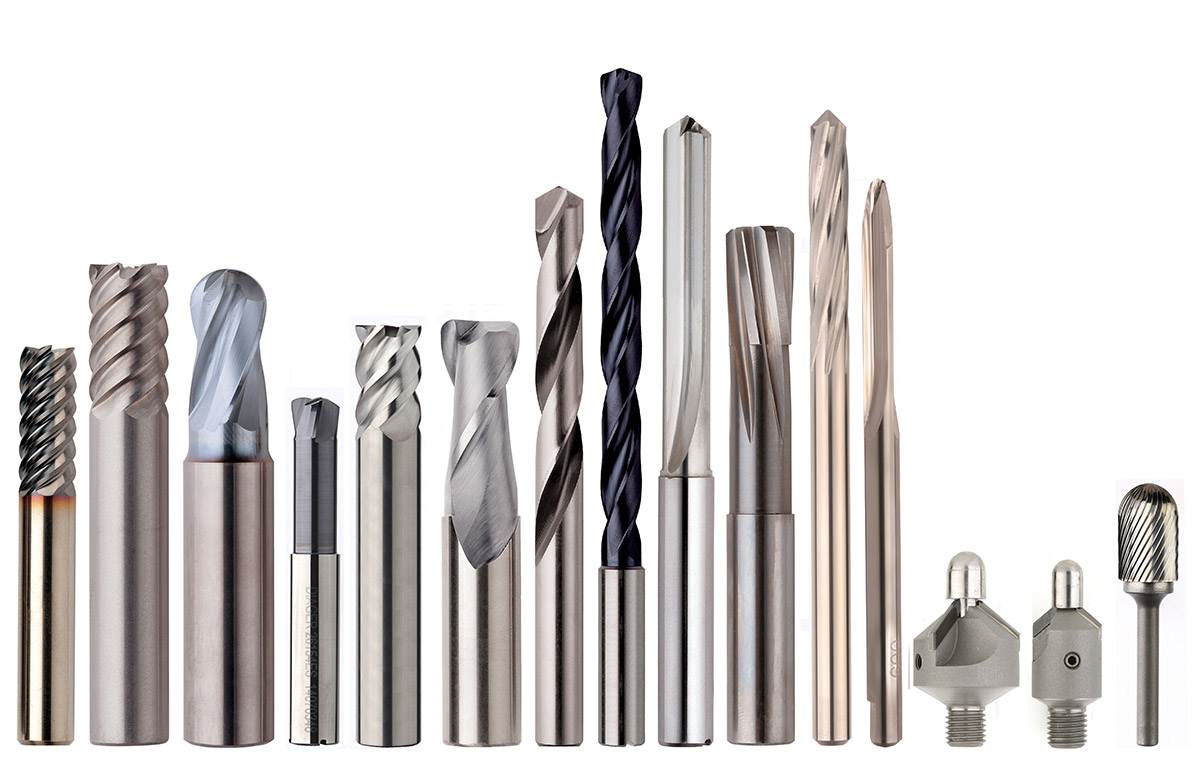
Picture used for illustrative purposes only
We have been reliably informed that hidden in amongst the tariffs is a 20% tariff on metalworking tools such as cutting and removal tools, forming and shaping tools, joining tools and many others – the majority of which are not made locally and are essential tools in producing, manufacturing and machining steel into the desired components.
The extra 20% tariff on top of the price increases due to the increasing prices of raw materials, will be very difficult to be absorbed by the OEM manufacturers of these tools and will ultimately be passed on to the downstream users of tooling.
Leading local manufacturers and tooling importers and exporters were asked for their opinions. Allan Conolly, Managing Director, Somta Tools commented: “The concept of initiatives to boost the South African steel industry in general are welcome, and tariffs can play an effective role in these initiatives. However, despite our submission to ITAC to leave tariffs unchanged, new tariffs were introduced for the cutting tool related industry and actually place Somta Tools at immediate and substantial risk for the following reason: Import tariffs were introduced for the first time for high-speed steel (10%) and tungsten carbide rod (20%), from non-trade agreement regions (previously these items were imported duty free). The vast majority of these products are not produced at all in South Africa (and never have been) and will threaten Somta’s export competitiveness with immediate effect.”
“In addition, the companies who import competitor product from regions where duty free trade agreements exist, will have an advantage over local manufacturers who generally import this high-speed steel and tungsten carbide raw material from regions where trade agreements do not exist.”
“As South Africa’s largest manufacturer and exporter of cutting tools, our submission was disregarded and now puts multiple skilled jobs at risk unless we can secure an urgent rebate agreement which we are immediately pursuing. If we cannot secure a full and total rebate from ITAC, it is likely to result in substantial skilled job losses in the near future.”
“The intended benefit of the boost in local demand is largely unknown and the majority of jobs at our Pietermaritzburg, KwaZulu-Natal-based factory are based on our export market.”
Gavin Adams, Managing Director at Iscar South Africa said: “This tariff is a major setback for local manufacturing. It is difficult to believe the severe fallout on end-users was properly researched, especially given the current pricing volatility across global markets.”
“The government has specifically targeted manufacturing and mining to stimulate economic growth and create jobs. Yet, both industries stand to be crippled by this very decision – a clear sign of a policy disconnect.”
“By driving up local production costs, this tariff directly erodes our ability to compete with cheap foreign imports. The predictable result? A net loss for local factories, widespread job cuts and a massive victory for cheap imports at the expense of local industry.”
“Consequently, this presents a critical opportunity for local suppliers to collectively voice our concerns and address the negative impacts of this tariff implementation moving forward.”
Gerald Green, Managing Director of Gühring South Africa concurred with the sentiment: “Currently the surcharges imposed on carbide and HSS / HSSE products are significant and are already passed on to the end user. Any further duties will be catastrophic for the manufacturing industry. Imagine the impact on unemployment!”
“Ironically ITAC claims to create an enabling environment for fair trade through efficient and effective administration of its trade instruments, and provide technical advice to the Department of Trade, Industry and Competition (the dtic) but it seems nobody is listening or learning.”
Neels van Niekerk, chair of International Steel Fabricators of South Africa, argues that protection is needed to prevent further deindustrialisation of South Africa.
“By nature, manufacturing value chains are schizophrenic. Every level wants free inputs but fully protected output. Our criticism remains that government is fixated on steelmaking, which accounts for just 5% of employment and 13% by value of the steel-intensive industries, instead of focusing on the 95% by employment value-added industries.”
The new duties do not amount to special protection for ArcelorMittal SA, which has received numerous tariff protections in recent years. All of these are within the rules allowed by the World Trade Organisation.
