In the demanding world of foundries where molten metal is shaped into various steel components, choosing the correct abrasive is key, especially if you want to ensure quality, efficiency and precision. From cleaning castings to preparing surfaces, having the right abrasive can make or break a foundry’s output as it directly influences delivery times, labour costs, and the longevity of both tools and equipment, overall impacting both productivity and product quality.
Foundries rely on abrasives for a range of tasks, including the removal of surface imperfections, deburring, grinding, and polishing of castings. Whether it be sanding, fettling or achieving a smooth finish for functional or visual purposes – these processes ensure the final product meets the demand of strict tolerances and high quality standards.
The ideal foundry product not only balances efficiency, durability, and cost-effectiveness, but also ensures adequate stock removal without damaging the workpiece, all the while withstanding the harsh conditions of a foundry environment.
Abrasives used in foundries are categorised according to their unique properties and suitability to specific tasks, with the most common being aluminium oxide, silicon carbide, zirconia alumina, and ceramic alumina.

Cutting and grinding media come in a range of different shapes and sizes, inclusive of wheels, discs, burrs, mounted points, belts, flap discs, and coated abrasives. Grinding wheels are used for heavy stock removal, such as cleaning large castings or removing gates and risers
Aluminium oxide is known as a workhorse in foundry applications due to its versatility and affordability. This abrasive is tough, durable, and suitable for grinding and finishing a wide range of metals, including steel and iron. Its ability to fracture and expose new cutting edges during use ensures consistent performance, making it a go-to choice for general-purpose grinding and deburring.
For castings made from softer, ductile non-ferrous metals such as aluminium and bronze, silicon carbide is the abrasive of choice. As these softer metals tend to clog up an abrasive grinding wheel made from aluminium oxide, silicon carbide being hard, but brittle stays sharp due to its friability as it is used. It is also the best choice for foundries battling silicon sand burn-on, which can often be as hard as glass.
Zirconia alumina, a premium abrasive known for its durability and self-sharpening properties is particularly effective for heavy stock removal on tough materials like stainless steel and high-alloy castings. Its ability to maintain sharpness under high pressure makes it a favourite for demanding grinding operations where heat resistance and longevity are critical.
Ceramic abrasives represent the cutting edge of abrasive technology. Engineered for high-performance applications, due to them being micro-fracturing, they continuously expose new cutting edges delivering faster material removal and longer tool life. These abrasives are ideal for precision grinding and finishing of exotic alloys and hardened steels, offering unmatched efficiency in high-production foundries.
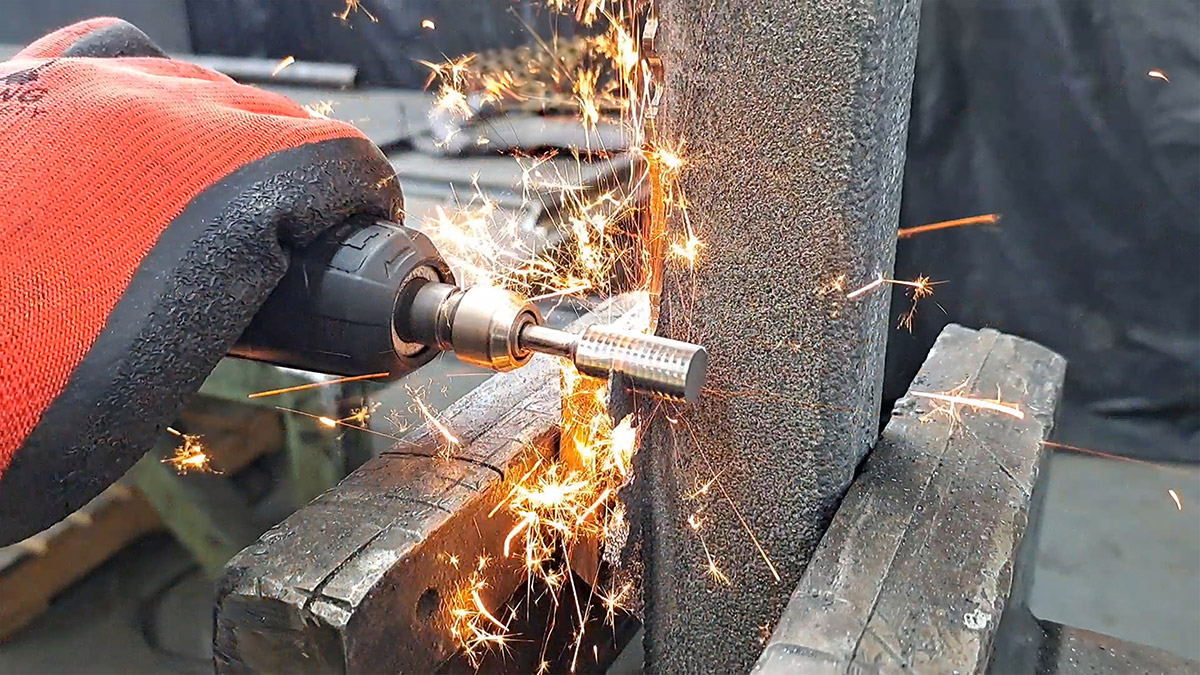
Smaller tools like tungsten carbide burrs or mounted points are often used to open cavities before welding or to fettle in hard to reach areas
When it comes to the choice of abrasives, this is dependent on the task at hand. When removing heavy flash from a casting, a coarse-grit grinding wheel will be required, while achieving a mirror-like finish on stainless steel might call for fine-grit silicon carbide abrasives. To achieve desired results, abrasive processes are often combined within the foundry workflow.
Selecting the ultimate abrasive requires careful consideration of the material being worked, the desired finish, production constraints, cost, and tool life. Additionally, environmental considerations and worker safety are increasingly shaping abrasive selection as foundries aim to reduce dust, waste, and hazardous emissions.
Typically, for general-purpose tasks on steel castings, aluminium oxide grinding wheels or belts are ideal, but for non-ferrous metals or fine finishing, silicon carbide is a better choice, where high-performance applications, such as grinding chrome, manganese or nickel-based alloys, demand ceramic abrasives.
Cutting and grinding media come in a range of different shapes and sizes, inclusive of, wheels, discs, burrs, mounted points, belts, flap discs, and coated abrasives.
Grinding wheels are used for heavy stock removal, such as cleaning large castings or removing gates and risers, whereas smaller tools like tungsten carbide burrs or mounted points are often used to open cavities before welding or to fettle in hard to reach areas.
Abrasive belts are preferred for continuous, high production line grinding, while flap discs offer flexibility for contouring and finishing.
Foundry managers should work closely with abrasive suppliers to test products under real-world conditions. Factors like grit size, bond strength, and wheel structure must be tailored to the specific application.
By embracing new technologies and sustainable practices, foundries can optimise their abrasive processes, improving efficiency, quality, and environmental responsibility. As the industry evolves, staying informed about abrasive advancements will be key to maintaining a competitive edge in foundry operations.
For further information contact Grinding Techniques on TEL: 011 271 6400 or email info@grindtech.com or visit www.grindtech.com

