The BMW Group Additive Manufacturing Campus (AMC) is setting the course for the next stage of industrialisation. Under the new leadership of Timo Göbel, additive manufacturing will be further integrated across all phases of the vehicle life cycle, with open-material and highly automated systems and a clear focus on quality.
Additive Manufacturing at the BMW Group
Additive Manufacturing (AM) is firmly embedded throughout the entire product life cycle of the BMW Group. From conceptual ideas and prototype production to series production and aftersales applications, additive manufacturing components are used across all stages. The technology is also an integral part of the BMW Group production system.
AM components are now used in series production vehicles across all BMW Group brands – from MINI to BMW and Rolls‑Royce all the way to BMW Motorrad.
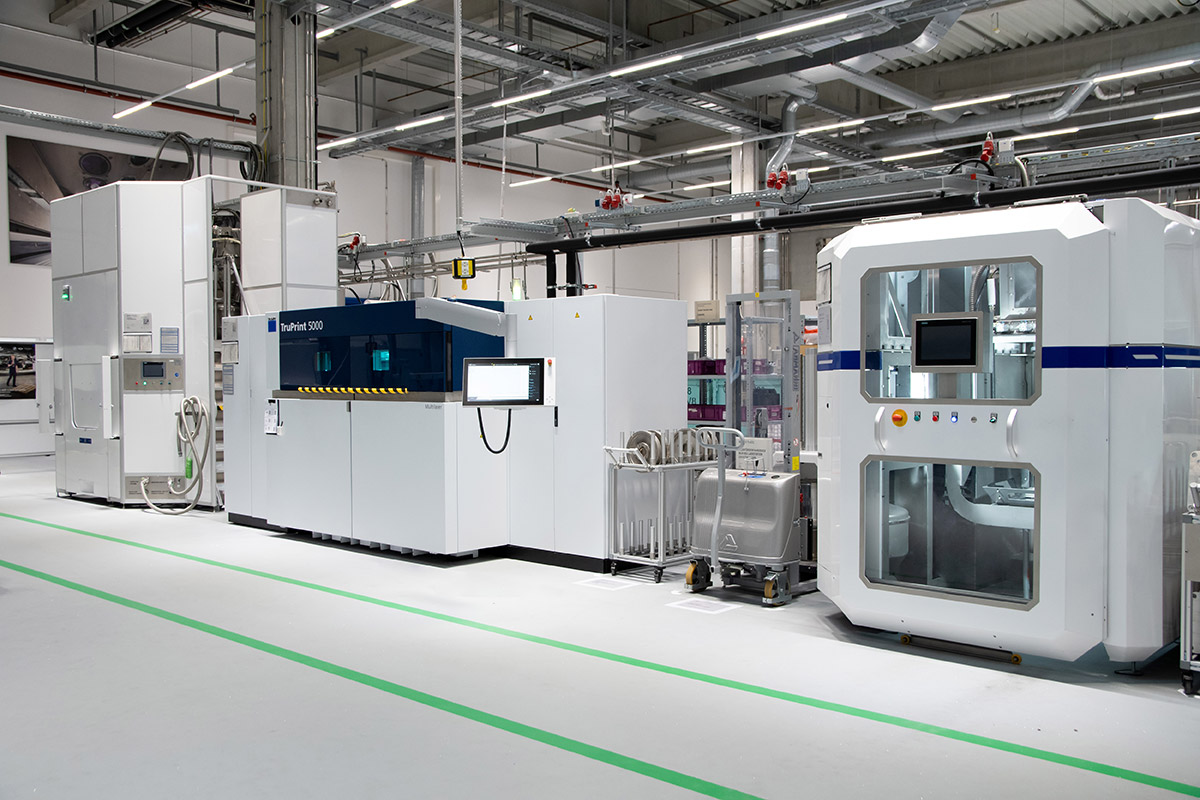
Additive Manufacturing (AM) is firmly embedded throughout the entire product life cycle of the BMW Group
“Additive manufacturing is now fully integrated across all phases of the product life cycle,” Timo Gobel, head of additive manufacturing for BMW Group, said in a statement. “3D printed components are used from early development and prototype production all the way to series production and to support the global production network.”
The company currently uses AM prototyping in the development and validation of its fully electric Neue Klasse vehicles, among others. And when it comes to production, “AM is present in every BMW Group plant worldwide” to streamline the manufacture of components, Gobel noted.
To scale its AM applications, the company is investing in 3D printing technology with greater build volumes and is using “automated, digitally networked process chains” to facilitate integration into production systems.
“The next step is the introduction of an entirely new generation of metal 3D printers, followed by the integration of new manufacturing technologies, such as wire arc additive manufacturing, into the BMW Group production network,” Gobel said.
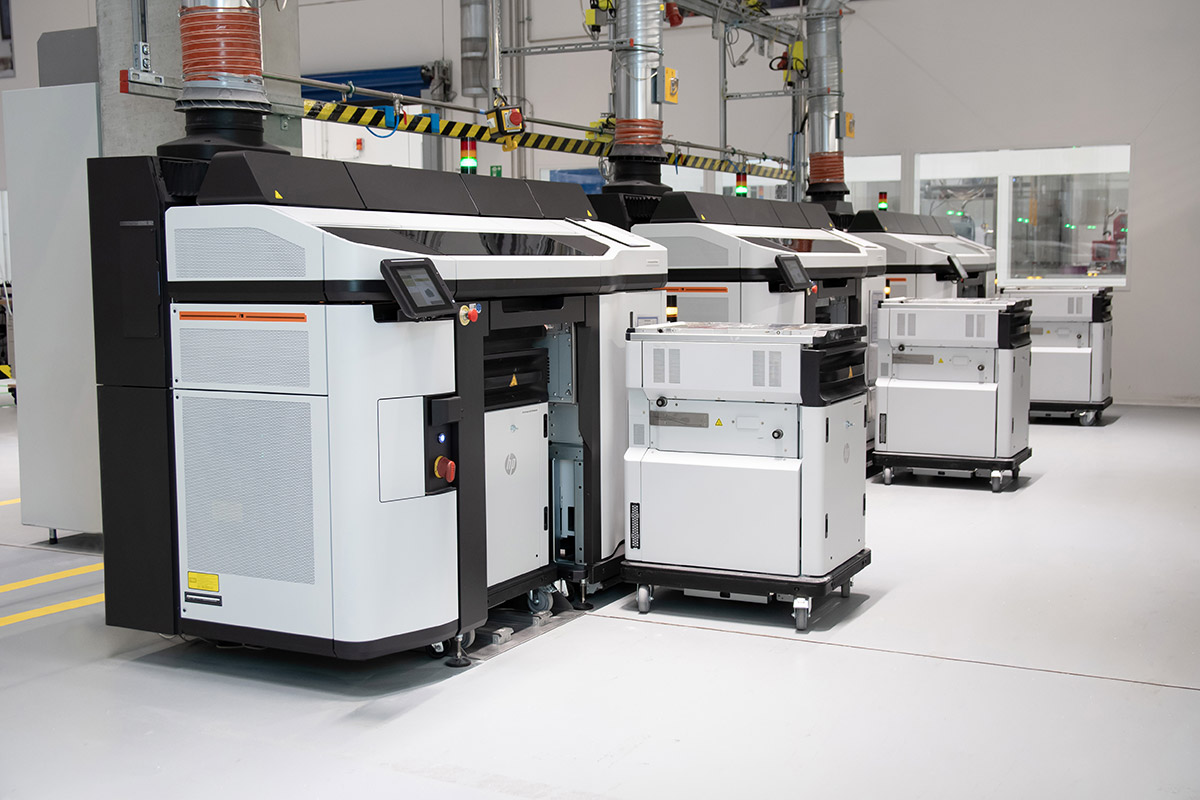
3D printed components are used from early development and prototype production all the way to series production and to support the global production network
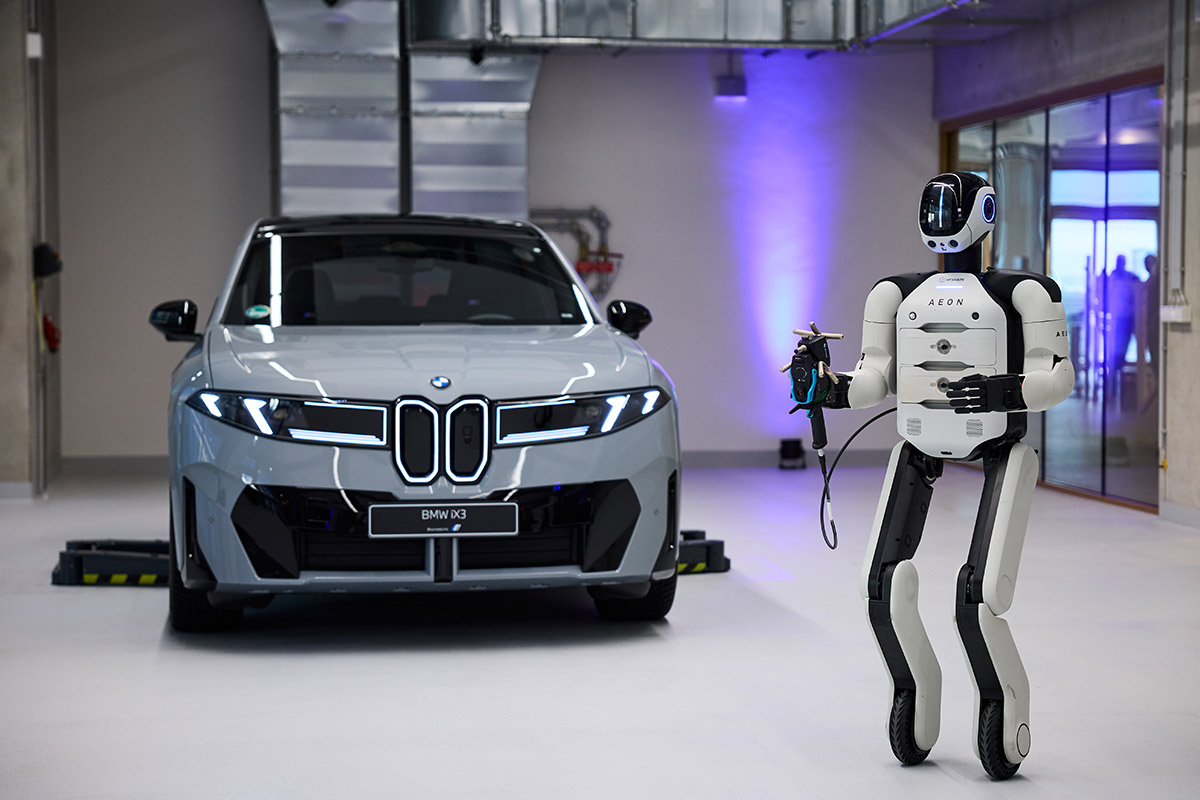
The BMW Group is strategically expanding its automation portfolio to include Physical AI and humanoid robotics. Humanoid robots are viewed as a value‑adding complement to existing automation
BMW Group commissioned its first AM equipment development in 1990 and opened its Additive Manufacturing Campus in Oberschleissheim, Germany, in 2020. Since then, the site has manufactured more than 1.6 million components for the company’s brands, in addition to more than 100 000 components produced each year at its global vehicle plants, BMW Group said.
Humanoid robotics complements existing automation
The BMW Group is strategically expanding its automation portfolio to include Physical AI and humanoid robotics. Humanoid robots are viewed as a value‑adding complement to existing automation. Particularly, they demonstrate potential in monotonous, ergonomically demanding, or safety‑critical tasks. The goal is to relieve employees and further improve working conditions.
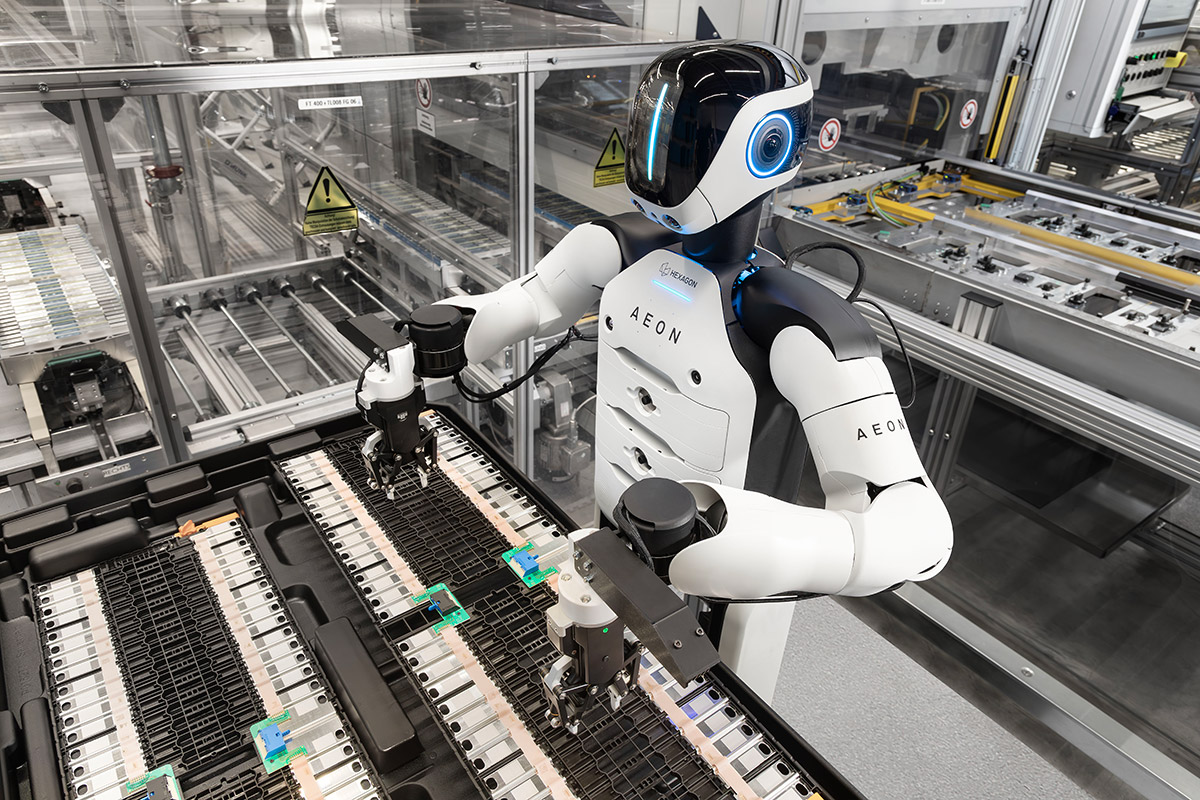
In collaboration with Hexagon, a long‑standing, established partner of the BMW Group in the field of sensor technology and software, the first pilot project in Europe is now underway. The deployment in Leipzig is focusing on testing a multifunctional application of the robot. It is based on AEON’s design, whose human‑like body allows a wide range of hand and gripper elements or scanning tools to be flexibly attached and enables dynamic use on wheels. During testing and later in the pilot phase, the robot will be used in the assembly of high‑voltage batteries and in component manufacturing.
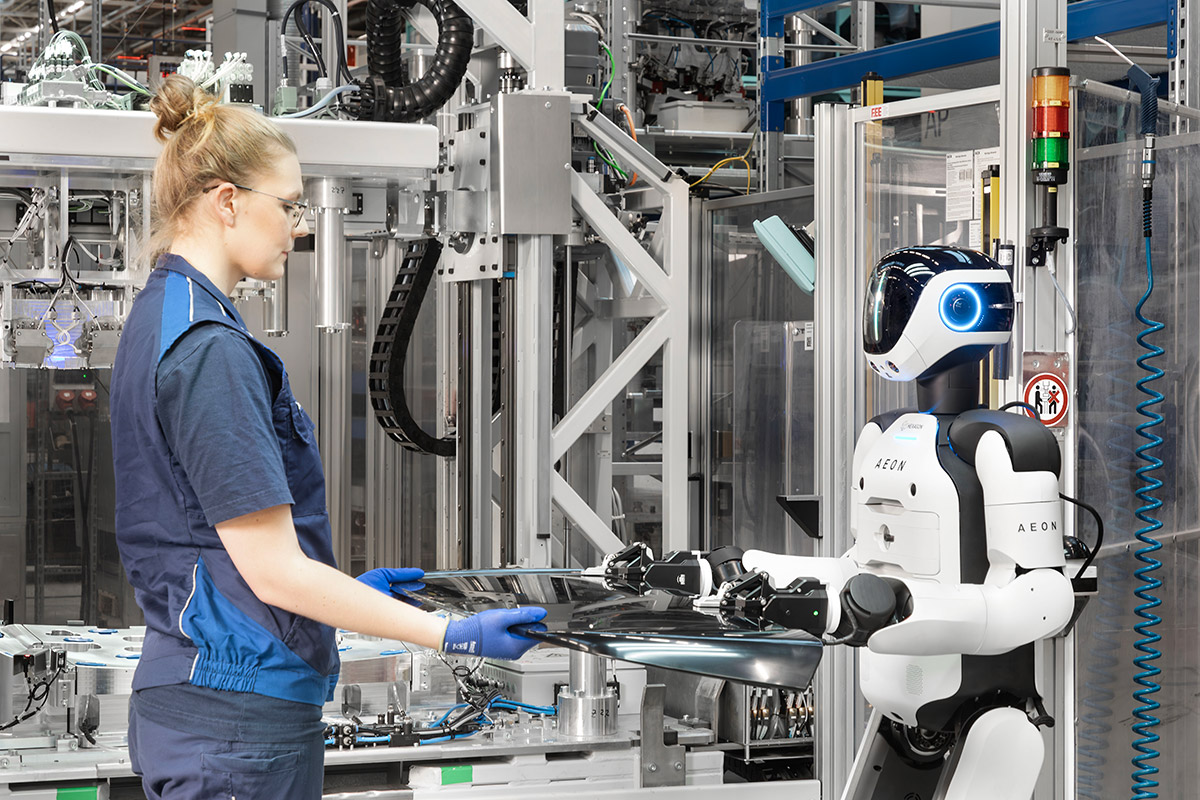
The world’s first deployment of humanoid robots at a BMW Group plant took place at the Spartanburg plant in the United States in 2025. Within ten months, the robot Figure 02 supported the production of more than 30 000 BMW X3s, working ten-hour shifts daily from Monday to Friday
In total, the robot Figure 02 moved more than 90 000 components and covered approximately 1.2 million steps in around 1 250 operating hours
The world’s first deployment of humanoid robots at a BMW Group plant took place at the Spartanburg plant in the United States in 2025, in collaboration with the technology company Figure AI. The results demonstrated that Physical AI can deliver measurable added value under real-world conditions. Within ten months, the robot Figure 02 supported the production of more than 30 000 BMW X3s, working ten-hour shifts daily from Monday to Friday. Figure 02 handled the precise removal and positioning of sheet metal parts for the welding process – a task that is particularly demanding in terms of speed and accuracy while also being physically exhausting. In total, it moved more than
90 000 components and covered approximately 1.2 million steps in around 1 250 operating hours.
