No carcinogens in Foseco products for 26 years.
Sustainability is a defining theme of the modern industrial landscape, particularly in energy-intensive industries, such as iron and steel foundries, and is often associated with increased regulation and costs. But strong positive business cases can be made for adopting more sustainable technologies and practices, particularly as they impact energy and resource consumption. This white paper will discuss current best practice available to ferrous foundries that underline the advantages such sustainable business choices can bring to financial, environmental and social performance indicators.
Sustainability is a defining theme of the modern industrial environment. This is most often associated with the need to reduce atmospheric emissions of CO2 in order to mitigate the negative effects of climate change. As important as this undoubtedly is, sustainability is a much broader topic that encompasses a range of environmental, social and economic actions.
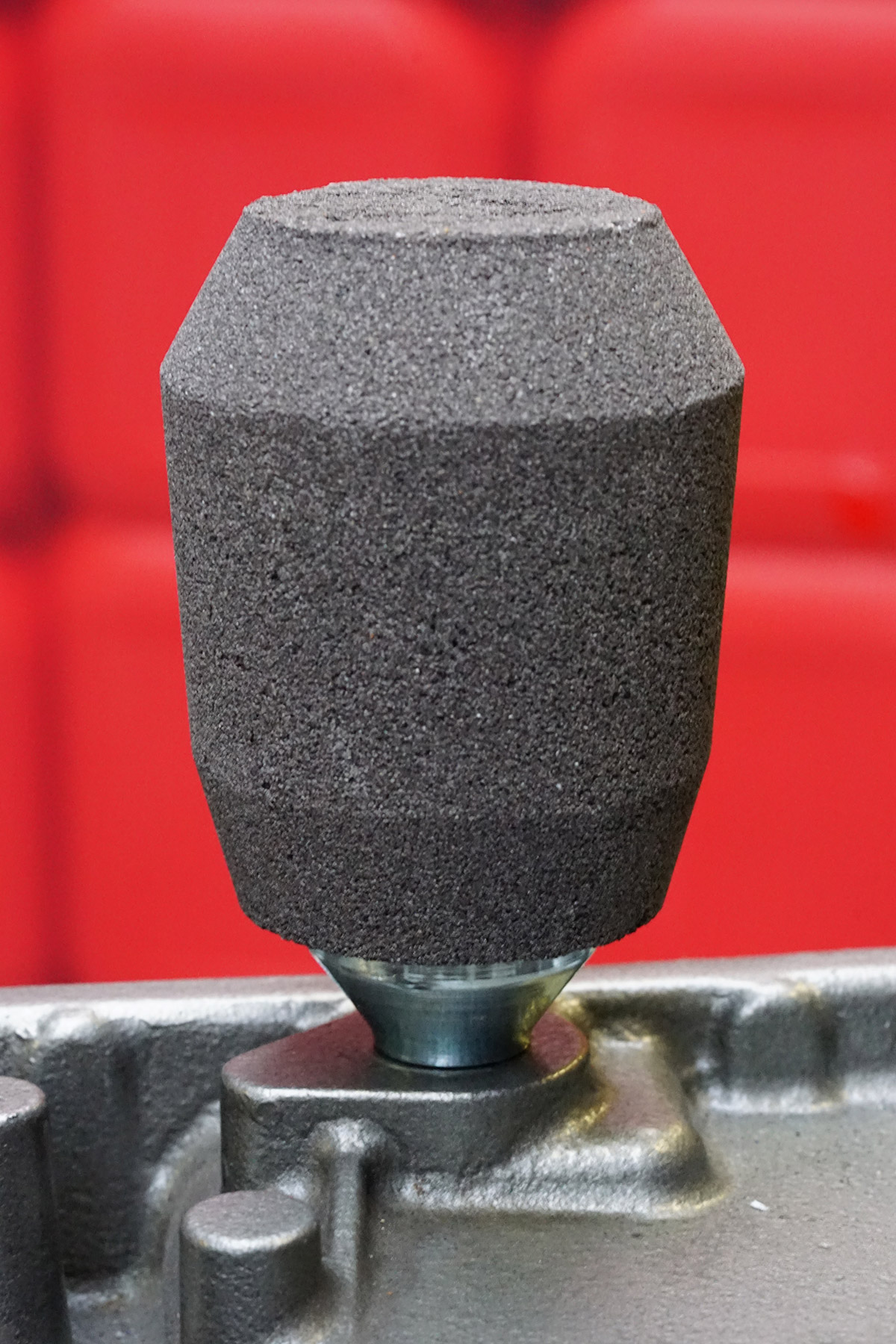
FEEDEX VAK self-centring feeder sleeves offer minimum footprint and contact area, optimum mould sand compaction, and constant feeder volume for improved yield, easy knock-off, and minimum fettling work
Sustainability is also not a simple or linear process: Progress in one area can create challenges in others. For example, goals to reduce poverty and its associated challenges are predicated on economic development through inclusive and sustainable industrialisation. UN Sustainable Development Goals therefore aim to increase manufacturing’s contribution to GDP and employment in developing countries.
With 90% of all manufactured goods relying on metal castings, this bodes well for the foundry sector. But it also means that foundries are likely to come under increasing pressure to make their processes as sustainable as possible in order to ensure a sustainable basis for manufacturing growth. And while the industry is a long-standing contributor to sustainability in some areas, most notably through the recycling of scrap iron and steel, in other areas, such as energy and resource efficiency, there is still much room for improvement.
The good news is that there are solutions available today for the most pressing sustainability challenges. In the remainder of this white paper, we will consider some of these under the themes of energy efficiency, resource intensity, pollution control and, finally, Foundry 4.0. We do so, while recognising that financial sustainability is not incompatible with improving environmental sustainability. Indeed, by optimising energy and resource use, the two often go hand in hand.
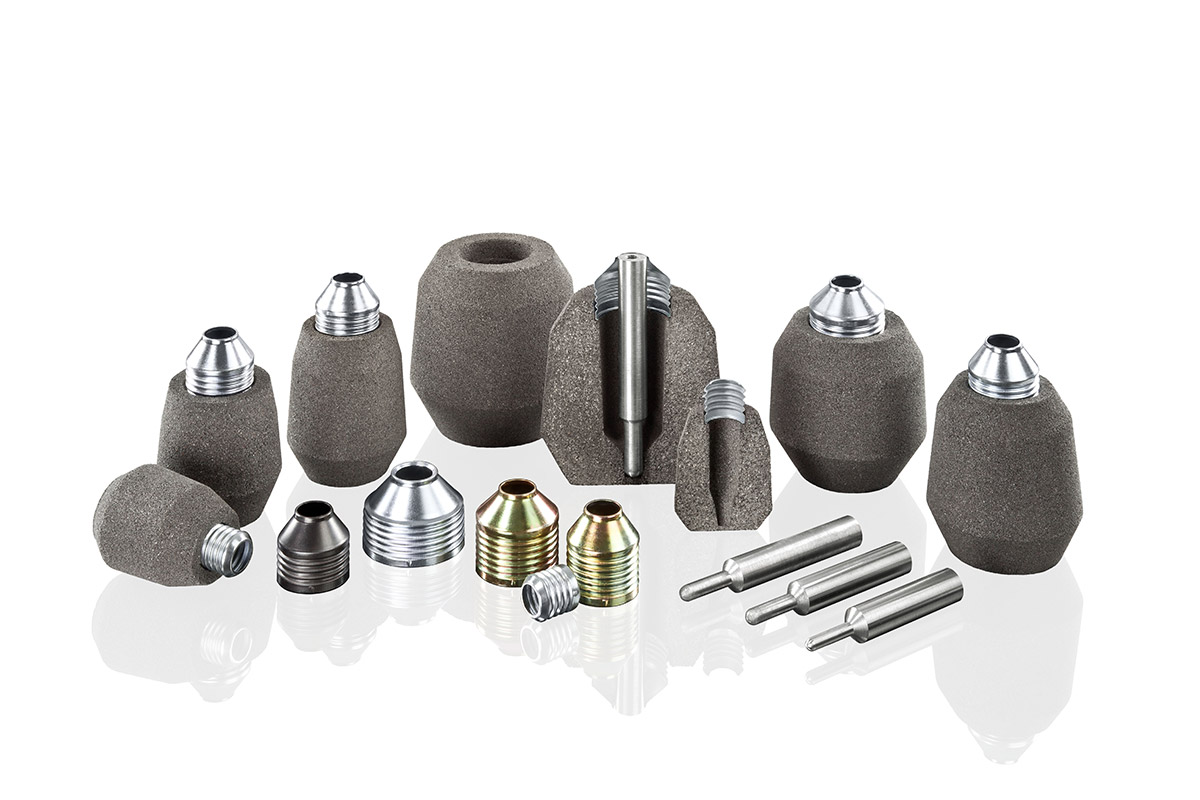
FEEDEX FEF spot feeders deliver similar performance and benefits as traditional FEEDEX feeders, without the fluoride emissions
According to one study, on average, the energy consumed by a foundry shop far exceeds that which it is predicted to use based on theoretical calculations, due to inefficiencies associated with the activities of metal melting and casting. Foseco offers opportunities to improve the energy efficiency of a foundry operation, significantly reduce environmental impact while maintaining the sector’s competitiveness in the process. Such opportunities may be grouped into three broad categories: Improving the efficiency of casting processes; reducing rework and recycling via improved melt quality; and reducing process heat loss.
Although discussed separately below, it is important to note that these opportunities are interlinked. Lowering process heat loss will often result in cleaner casting by reducing the occurrence of temperature-related defects.
Meanwhile, reducing rework and recycling through cleaner casting will by default also improve process efficiency, as castings will move more quickly through the cleaning room and consume less energy on the way.
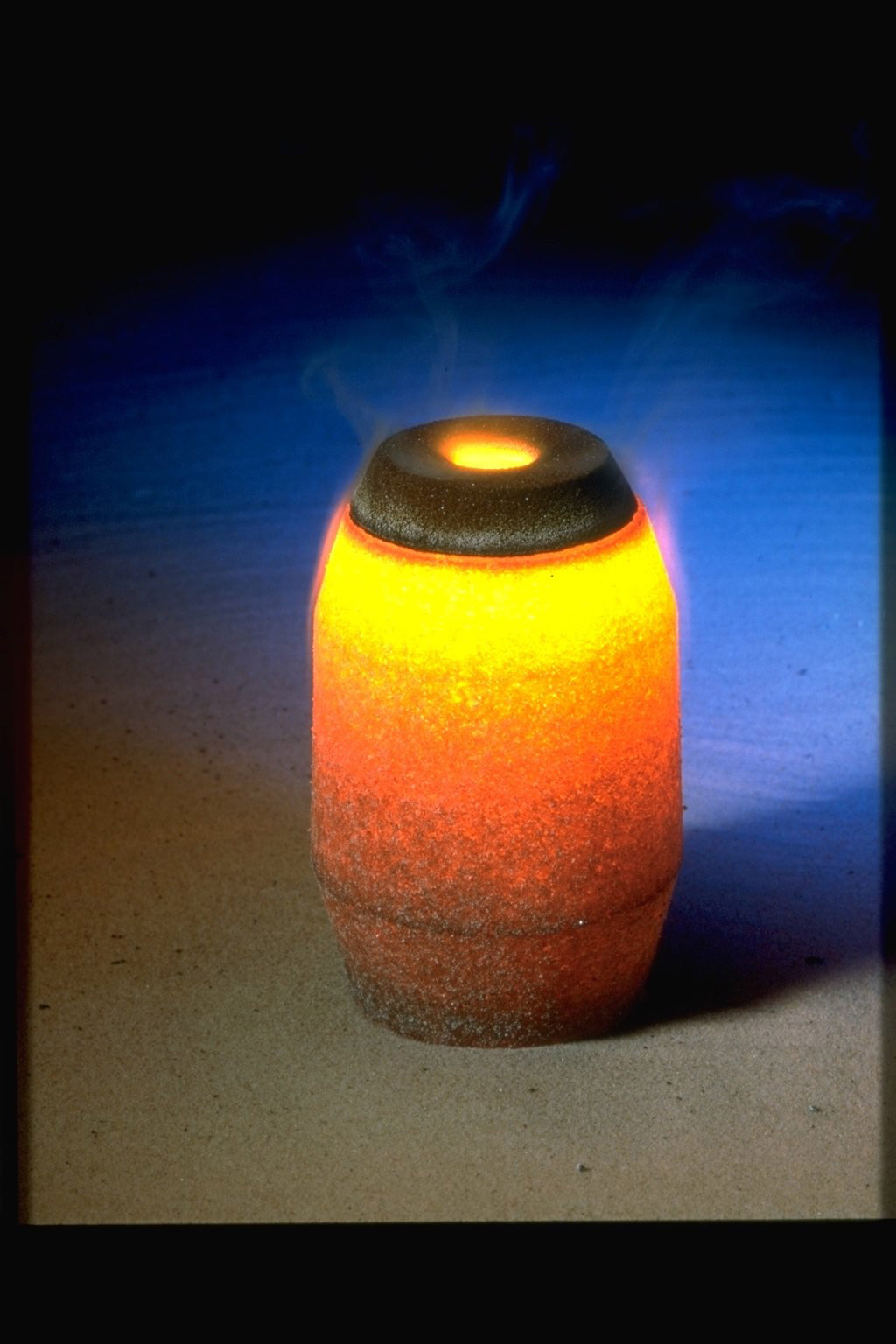
A demonstration of a Feedex sleeve burning
Improving process efficiency
Melting accounts for 30% of energy consumption in the foundry. Improving the efficiency of this process is therefore a key concern. This can be achieved in a number of ways. For example, by improving yield, output is maintained but less material is melted. Improving thermal efficiency by reducing heat losses shortens melt times, reducing the energy input required per melt. High thermal efficiency also reduces the energy required to hold a continuous supply of liquid metal of consistent composition and quality for casting, another major area of energy consumption in the foundry.
Solutions to these challenges take a range of forms. From feeding sleeves and systems to fast dry water-based coatings, from cleaner casting to filters, from insulating lining systems to binders and equipment, Foseco has a solution.
Improving yield not only impacts the energy efficiency of the process; it also improves resource efficiency, the second critical element in foundry sustainability, when you consider that new steel products contain only 30% recycled steel.
The abovementioned technologies for optimised pouring are again important here in that they lower the occurrence of casting defects and thus the need to clean casts, as well as reducing non-productive or wasted metal. But so too are technologies that extend meantime between replacement of components and consumables.
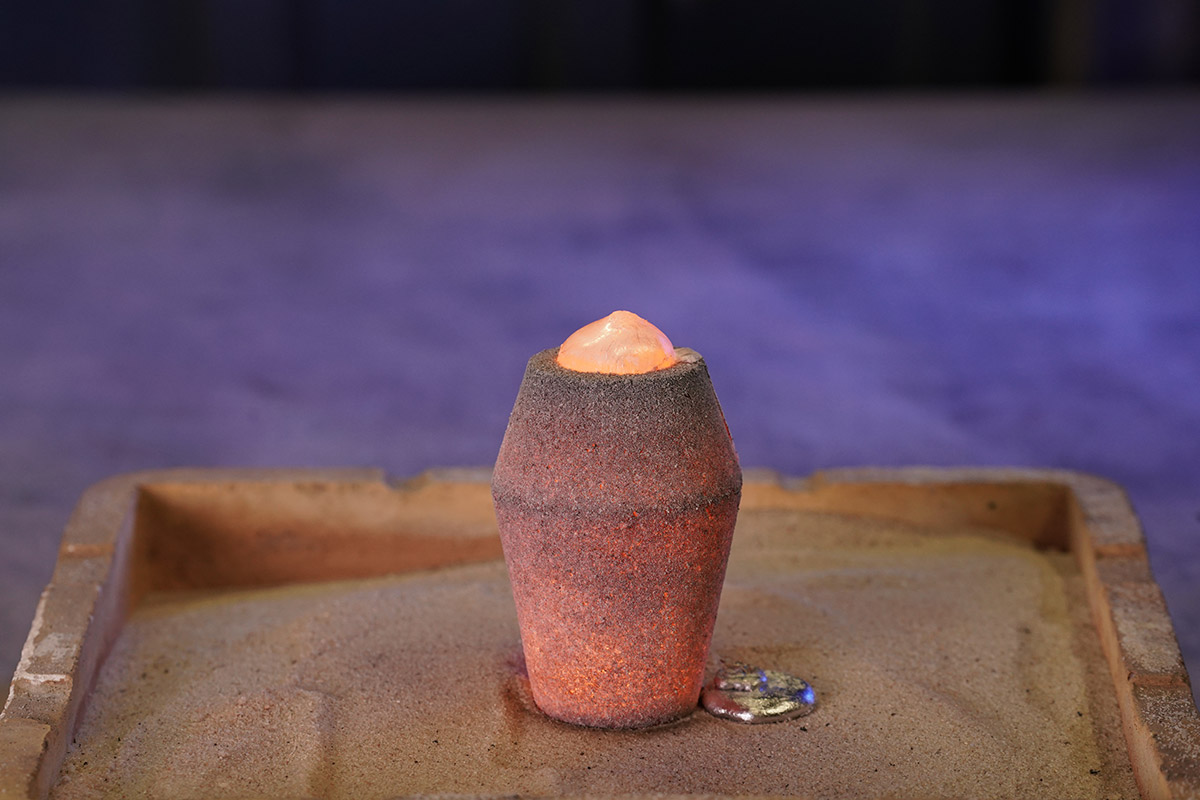
FEEDEX NF1 sleeves from Foseco eliminate the need for exothermic riser powders. With the new FEEDEX NF1 range of exothermic feeders for aluminium, the application of exothermic powders to boost the feeding effect in the riser is unnecessary
Longer equipment lifecycles reduce both the amount of waste produced by foundries (and therefore, contribute to the aim of zero waste), as well the overall quantity of raw material consumed by equipment and consumables suppliers, such as Foseco. There are also health and safety benefits gained by reducing the need for maintenance and so limiting the exposure of workers to man-machine interactions.
No carcinogens in Foseco products
Foseco has developed a range of feeding products designed to be environmentally friendly, specifically focusing on being fluoride-free and low-VOC (Volatile Organic Compounds), which directly addresses the elimination of hazardous emissions in foundries. While the provided search results emphasise Fluoride Emission Free (FEF) technology to reduce environmental impact and lower disposal costs, they also indicate that these products are formulated to be low-emission.
Foseco South Africa celebrates its 26th Year of being refractory ceramic fibers free in its feeding products. Foseco remains one of the only suppliers in Africa to supply a carcinogenic free feeder sleeve. Significant investment has enabled Foseco to be able to do this, as well as moral obligation globally.
Foseco prides themselves for removing the harmful RCFs from its feeder sleeves which have been classified as carcinogenic in the late nineties.
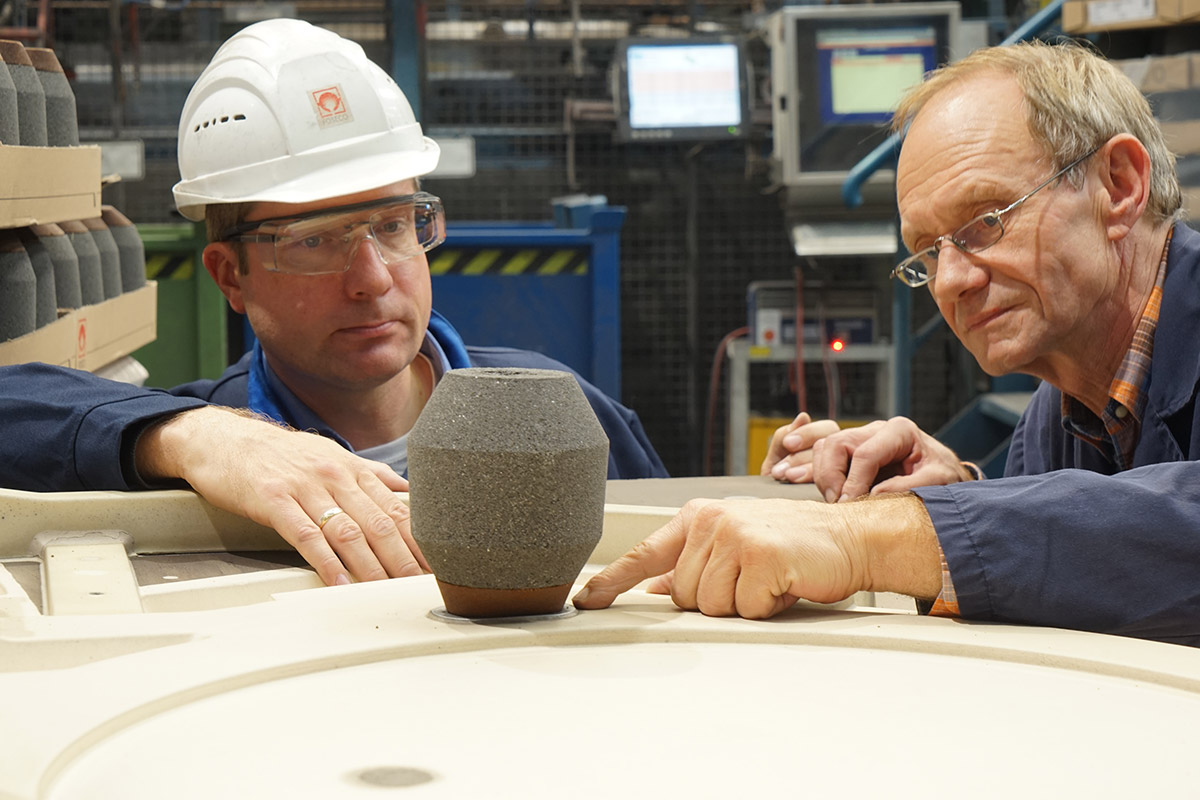
Application at customer Baumgarte
The Foseco sustainability toolbox… How our products can contribute
Sustainability has always been at the heart of our business. Our technology has helped our customers improve their processes and their environmental footprint. Advancements in material science, pioneered by Vesuvius, have helped to ensure that the amount of refractory material required to cast one ton of steel has reduced by 80% in the past 60 years.
Concentrated inoculants contain an increased quantity of the active ingredient and reduced silicon, providing similar performance to traditional recipes, but in smaller doses.
FEEDEX VAK self-centring feeder sleeves offer minimum footprint and contact area, optimum mould sand compaction, and constant feeder volume for improved yield, easy knock-off, and minimum fettling work.
FEEDEX FEF spot feeders deliver similar performance and benefits as traditional FEEDEX feeders, without the fluoride emissions.
The Intelligent Casting Unit (ICU) automates the coating process to deliver a consistent layer thickness and ensure optimised coating performance.
HOLLOTEX shroud protects pouring metal from reoxidation, while reducing heat loss during mould filling.
INSTA powder-based coatings reduce packaging waste and transportation costs and emissions compared to ready-for-use coatings.
KALMINEX FF fluoride-free slurry for the production of free vacuum-formed exothermic sleeves eliminates the use of fluoride, while delivering similar performance to traditional slurry form recipes.
KALPUR direct pouring for automatic green sand moulding lines improves yield and cast quality by reducing fettling and non-metallic inclusions, lowering turbulence-related defects, and improving directional solidification.
KALTEK insulating ladle linings for iron and steel alloys improve thermal and energy efficiency, while ensuring metal quality in metal transfer vessels.
KELLUNDITE lining systems for coreless induction furnaces help reduce waste and energy consumption with increased refractory life and reduced sintering time.
The ROTOCLENE melt treatment process purges the melt with ultra-fine bubbles to effectively remove oxygen bi-fold and other inclusions, while also homogenising melt temperature.
PARTISAL ECO release agents include non-toxic oils with high flash points to replace harmful, more easily flammable petroleum-based oils.
STELEX filters enhance casting quality by removing non-metallic inclusions and providing better control of mould fill.
SEMCO water-based coatings eliminate the health, safety, and environmental issues that arise with solvent-based coatings, such as the release of VOCs and solvent-related respiratory conditions. The range includes:
SEMCO CC colour change coatings visually indicate when the coating is dry, reducing the potential for over-drying.
SEMCO FD fast-drying coatings reduce energy consumed in the drying process, while maintaining product performance.
SEMCO FF formaldehyde-free coatings are designed to reduce formaldehyde emissions in compliance with the latest EU regulations.
SOLOSIL inorganic binders are a range of low-viscosity, high-performance sodium silicate binders with advanced breakdown agents.
TRIAD Z castable linings for cupola melting increase campaign life, with high resistance to slag erosion, in an easy-to-mix solution that requires no post-application curing.
VAPEX multi-life nozzles overturn the standard practice of replacing nozzles after one shot and can be used as often as the VISO stopper for a safer working environment, higher productivity, and less waste. Warm start ladle package comprises KALTEK lining, warm-start VISO stopper, and VAPEX nozzle, and reduces preheating to a minimum.
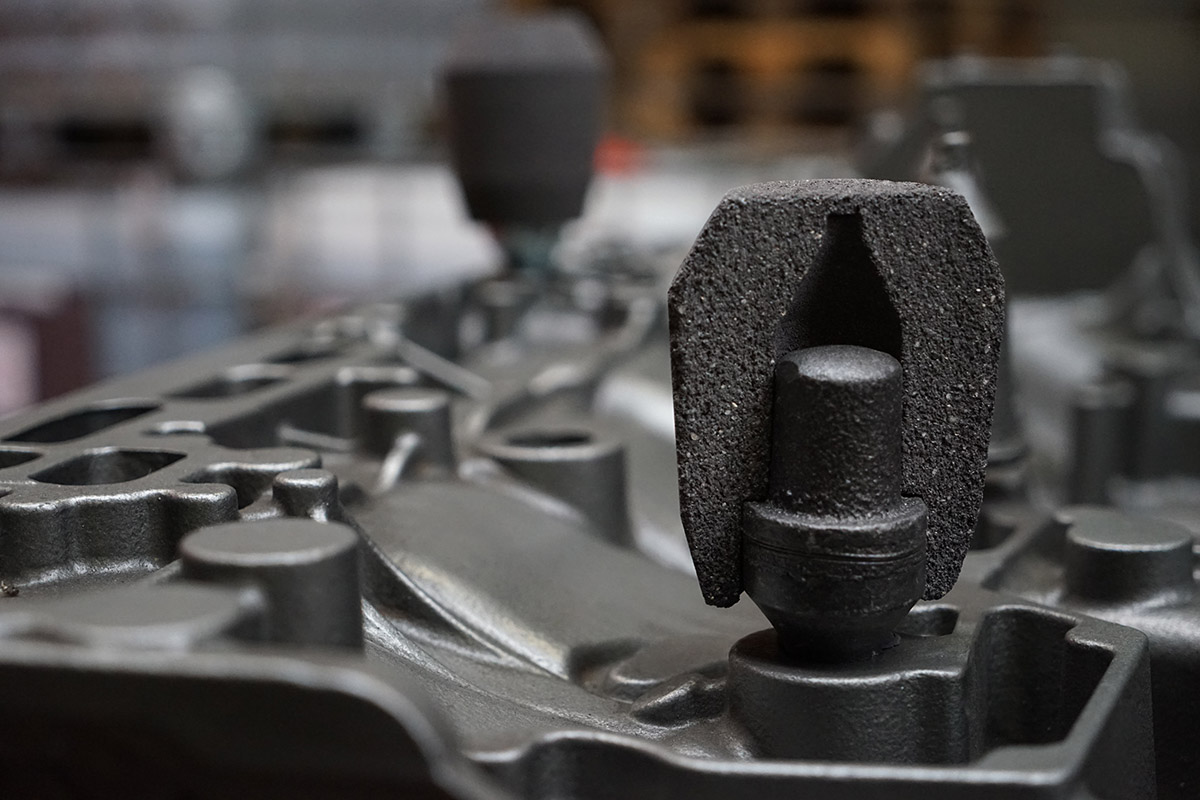
FEEDEX VAK self-centring feeder sleeves offer minimum footprint and contact area, optimum mould sand compaction, and constant feeder volume for improved yield, easy knock-off, and minimum fettling work
A better tomorrow
With its complete range of foundry products and expertise, Foseco offers solutions that ready the foundry industry to overcome the sustainability challenge in all of its forms. Through our parent company, Vesuvius, we are also committed to sustainability in our own operations via the Vesuvius Sustainability Strategy, which includes commitments to the following:
• Fight climate change by reducing our own CO2 emissions and helping our customers reduce their own CO2 footprint with the use of our products and services. Our objective is to reach a net zero carbon footprint at the latest by 2050.
• Engage in the circular economy by reducing the amount of waste we generate, recovering more of our products after they have been used, and increasing the usage of recycled materials.
• Extend our sustainability commitment to our suppliers and encourage them to progress.
• Improve safety and wellbeing at work both for our employees in our facilities and for our customers.
Economics and the environment are often played off against each other. But as we have seen throughout this white paper, this is a false dichotomy. Indeed, the two often accompany each other in technologies and solutions that reduce the consumption of energy, that optimise yields, that improve the longevity of foundry equipment and ensure the quality of castings, and that reduce the production of harmful pollutants. Achieving sustainability is not however the outcome of one company’s efforts. It is a collective approach to the way we act and operate as an industry. Only together, we can forge the future of the foundry industry, today.
For more information contact Foseco South Africa on TEL: 011 903 9500 or visit www.foseco.com