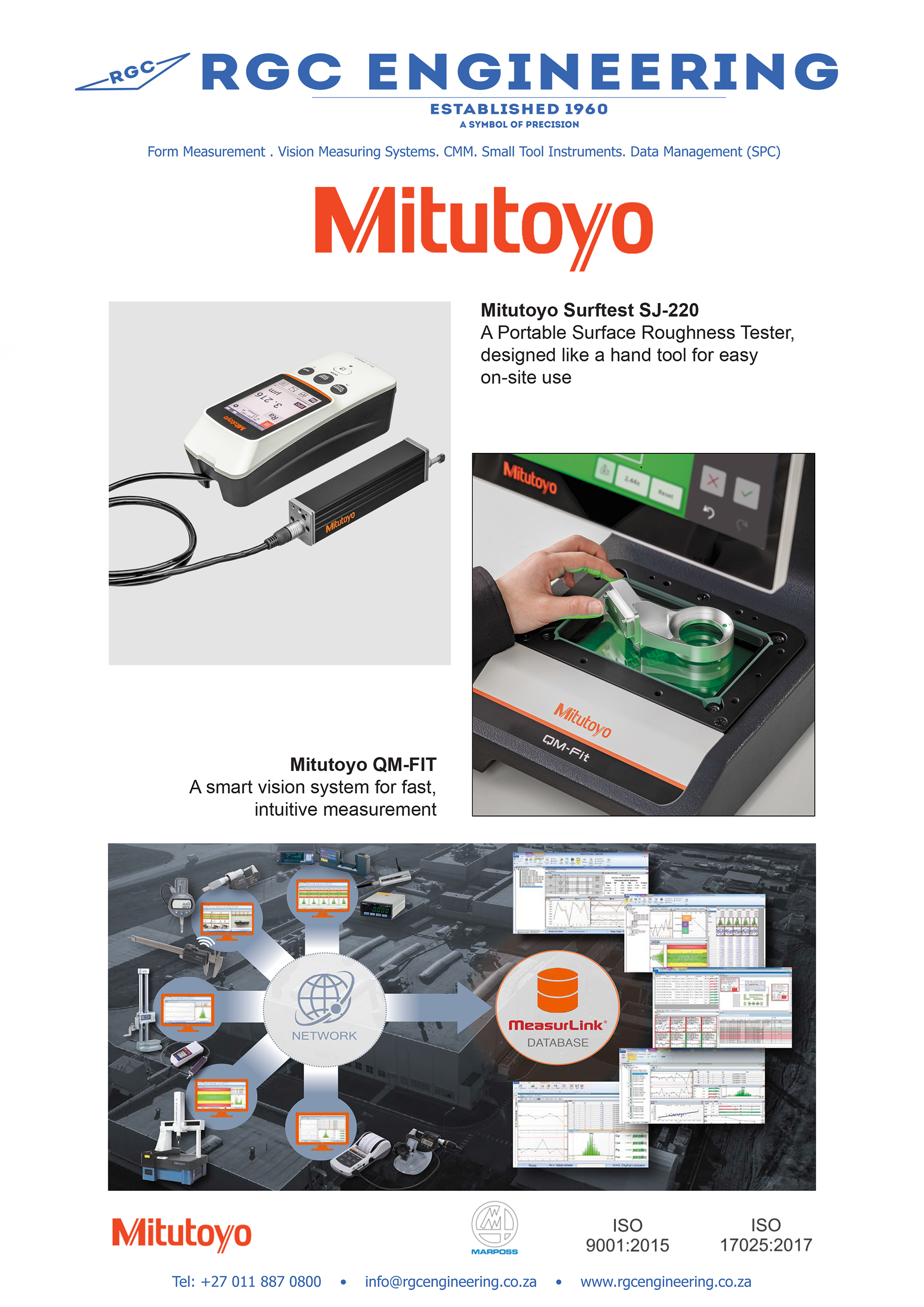
Mitutoyo’s QM Fit is a compact manual vision measuring machine designed for quick and accurate inspection of small and thin parts. Mitutoyo positions it as a practical successor to the profile projector, a mainstay of shop floor measurement for decades.
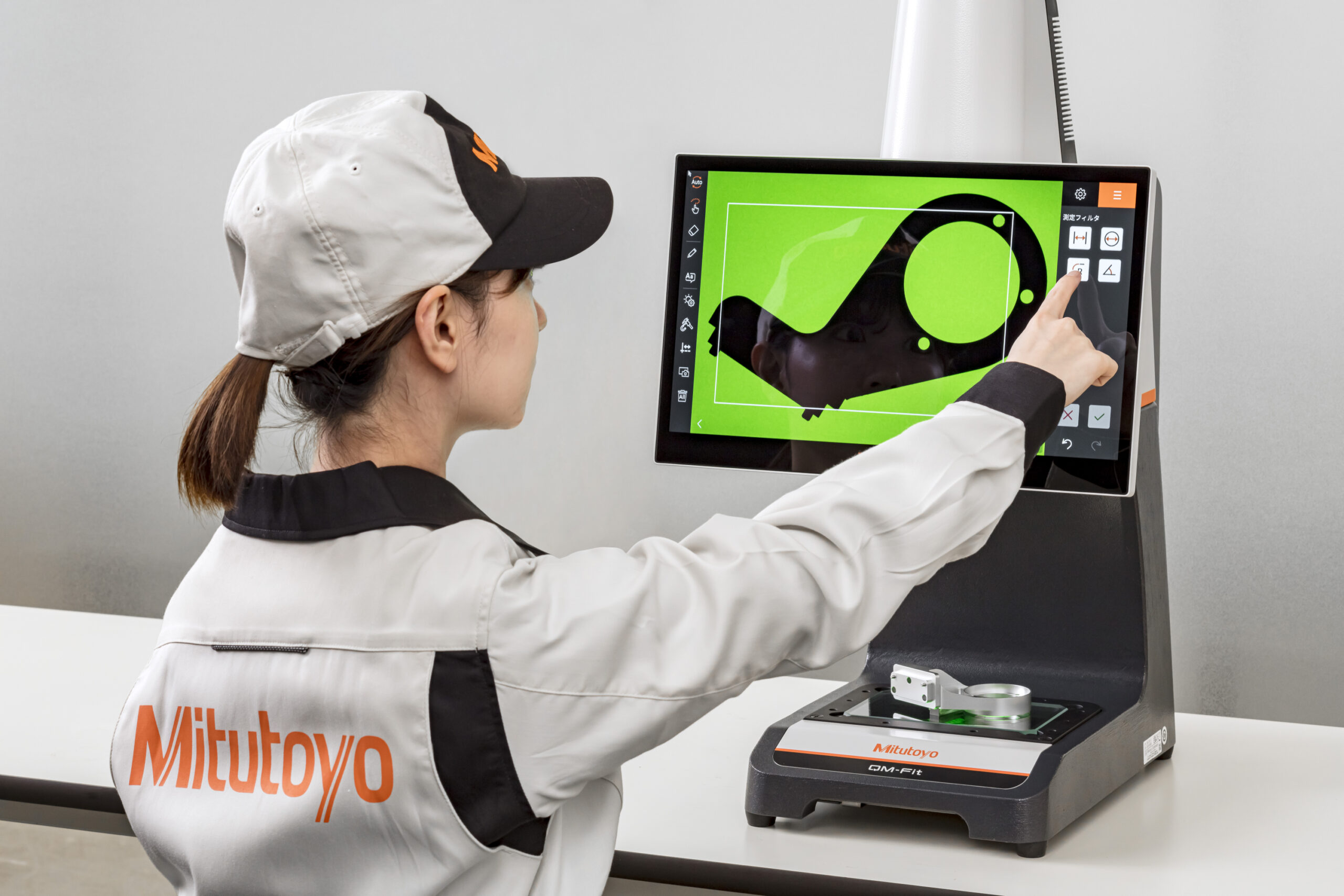
At the heart of the system is a touch first interface with automatic part recognition. Operators place a workpiece on the stage and initiate measurement without manual focusing or alignment. The software identifies common features such as circles, lines, and edges, then presents results as clear graphics with immediate pass or fail indicators.
A feature called Graphically Supported Calliper Snap lets users drop digital rulers onto edges or geometries, removing the familiar ritual of aligning crosshairs on a projector screen. The unit’s imaging stack includes a 20-megapixel colour sensor, digital zoom to one hundred times, a telecentric lens, and a generous 36mm depth of field, which together support crisp measurements even when surfaces are not perfectly coplanar. Mitutoyo states accuracy is calibrated to plus or minus ten micrometers with repeatability within two sigma less than or equal to four micrometers, and the software records data for audit trails and environmental correction.
The launch of the QM Fit arrived amid a broader shift from optical comparators also known as profile projectors to vision measuring machines that automate alignment, feature detection, and data capture. Traditional comparators remain valued for noncontact measurement and their simplicity, but their outcomes often depend on operator skill, careful focusing, and manual alignment to overlays or charts. Industry guides increasingly note that comparators can be subject to human variation and can create bottlenecks when inspection volume rises or when complex part geometries are involved. Vision systems reduce that variability by detecting edges and features through software and by logging results automatically, which is why many manufacturers now evaluate them as replacements or complements to their projector fleets.
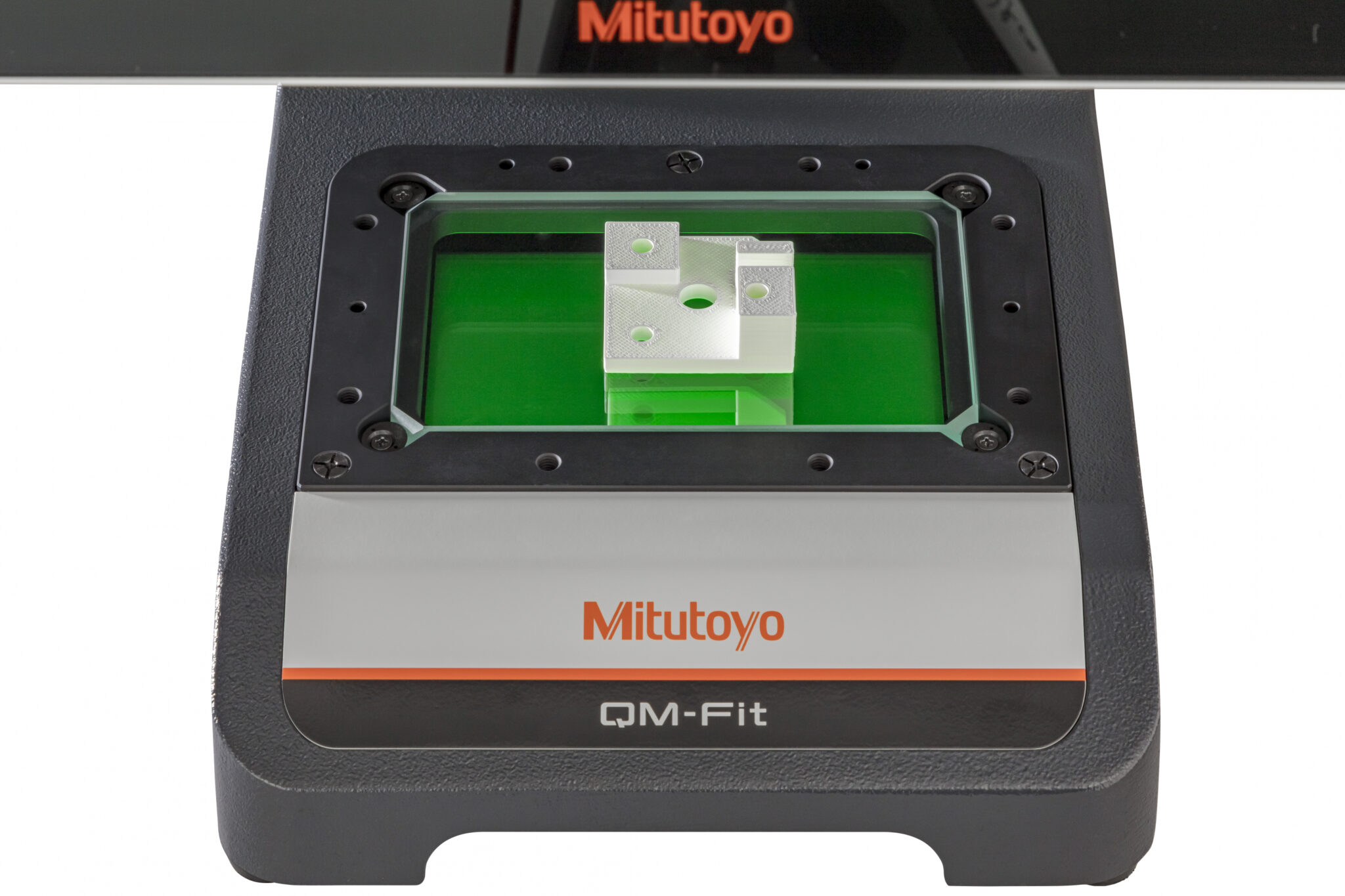
Optics are central to measurement accuracy, and the inclusion of a telecentric lens in the QM Fit is notable. Telecentric lenses keep magnification constant as the object moves within a defined range, which reduces perspective error and helps maintain dimensional accuracy across parts that are not perfectly flat. Tutorials from optics suppliers explain that the main advantage is consistent size reproduction with respect to depth, which is valuable for gauging edges and hole diameters. Depth of field also matters. A larger f number generally increases depth of field, though diffraction imposes limits at extremes, so designers balance aperture, sensor size, and illumination to maintain contrast and resolution. These fundamentals explain why even a compact bench unit that combines telecentric optics with a high resolution sensor and controlled lighting can deliver repeatable results on small features.
For further details contact RGC Engineering on TEL: 011 887 0800 or alternatively visit www.rgcengineering.co.za