“The time to act is now. The metallurgical plant engineering sector is characterised by a challenging economic environment, geopolitical upheavals, and growing uncertainties. One thing is clear: The challenges are not new – but they have been underestimated for far too long,” said ABP CEO Till Schreiter in a recent interview.
Schreiter points out structural deficits in Europe while at the same time highlighting where the decisive levers for competitiveness and growth lie.
ABP’s fiscal year is coming to a close amid challenging conditions
“The reality is this. The framework conditions have not improved, on the contrary. We are seeing rising insolvencies, increasing unemployment, and massive uncertainty across the industry. And it is precisely this uncertainty that is the greatest poison for the economy. Companies simply no longer know where the journey is heading. And if that clarity is lacking, investments won’t be made. We are now feeling the impact across the entire industry.”
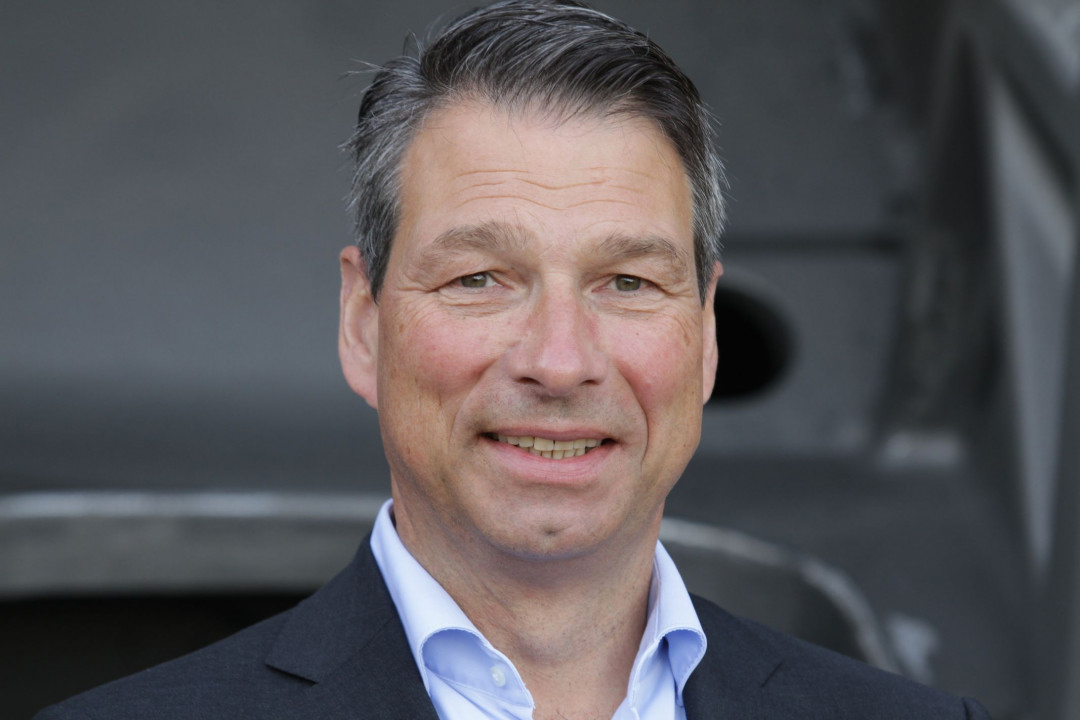
ABP CEO Till Schreiter
“Europe is getting bogged down in bureaucracy, excessive regulation, and political constraints instead of addressing the major strategic issues. We’ve been talking about cutting red tape for years – but nothing has actually happened. The burden has actually grown. At the same time, there is no clear industrial policy. Companies need orientation, not additional hurdles.”
What does this mean specifically for mechanical and plant engineering?
“We are in the midst of a structural shift. China was long our most important market. Today China is building on its own. The United States is pursuing an increasingly protectionist policy. And India cannot close this gap. That means Europe must finally refocus on itself. The European single market is no longer functioning smoothly on its own. We must actively strengthen it.”
Europe must redefine its industrial policy course
“We must be honest and admit to ourselves: The world has changed faster than many wanted to acknowledge. Europe often tries to artificially prop up existing structures instead of asking itself: Where can we truly take the lead? Where do we have a real technological advantage? That takes courage. The courage to break with old traditions and courage to focus on new stages of value creation.”
How does ABP assess the current situation of decarbonisation
“Decarbonisation is important but it must not become an end in itself. The hard truth is nobody decarbonises without economic benefits. If you invest too early without staying competitive, you’ll be out of business. That means we need solutions that cut CO2 and at the same time make economic sense. Retrofit, hybrid systems, electrification, these are concrete approaches that can work.”
Where do you currently see the greatest opportunities for industry?
“Clearly in innovation and digitalisation. That is the decisive lever. We need to ask ourselves: How do we make our customers more productive, more efficient, and more profitable? If we achieve that, then our solutions will be in demand – regardless of the market. Digitalisation and AI are not an option, but a duty. Anyone who doesn’t invest here will fall behind.”
What specific role does artificial intelligence play here?
“AI is a gamechanger. It enables us to make processes faster, better, and more efficient. And it helps us solve structural problems – from the shortage of skilled workers to boosting productivity. Countries like China are investing heavily in these technologies. There’s a reason for that. That is why I want to make it very clear. Every company must give this serious consideration. There are no more excuses.”
What specific advice do you have for companies?
“Firstly internationalisation. With a purely local setup, you will no longer be able to survive in the future. Secondly build flexibility in supply chains, production, and markets. And thirdly, and this is the most important point – consistently focus on innovation. That is the only sustainable way to survive in this environment.”
You have also critically examined Europe’s role in global competition. Where do you see the greatest risks?
“The biggest risk is stagnation. Europe is in danger of being crushed between the major power blocks because we are acting too slowly and too hesitantly. If we don’t start consistently leveraging our strengths, which are technology, expertise, and quality, others will take over the markets.”
And where do you see the greatest opportunity?
“In our own strength. Europe has a vast industrial base, excellent expertise and a strong capacity for innovation. But we also need to make the most of these strengths. This means cutting red tape, promoting innovation, strengthening international partnerships and above all taking action.”
Finally what is your key message?
“The clock is ticking. We must stop deluding ourselves. The overall situation is not likely to improve in the short term. That is why we must take action ourselves as companies, as an industry, and as Europe. We need to roll up our sleeves, make decisions, and implement them consistently. This is the only way we will remain competitive in the future.”
For further details contact ABP Induction on TEL: 011 623 1814/17 or cell number 072 158 1117 or email byron.mccall@abpinduction.com. You can also visit www.abpinduction.com
